
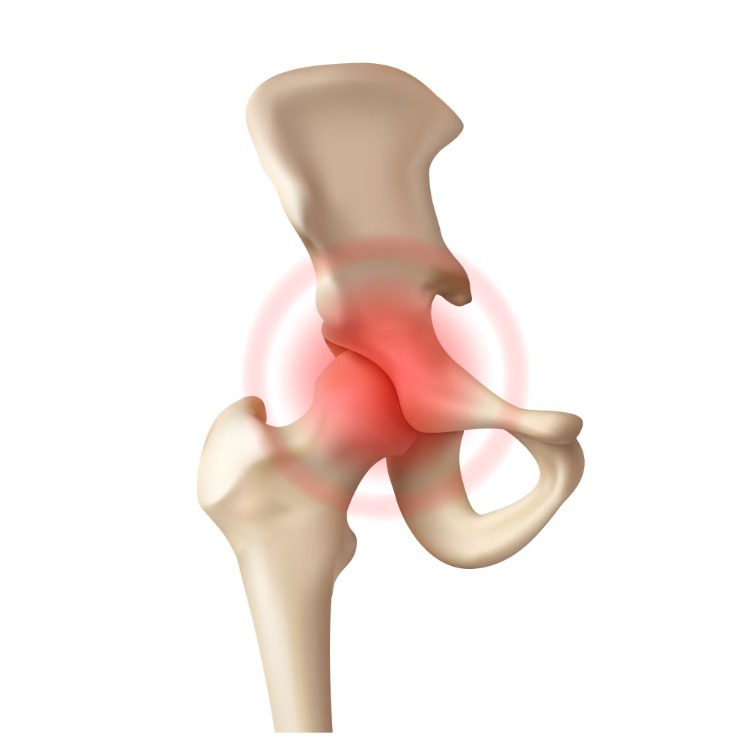
Developmental Dysplasia of the Hip (DDH): A condition where the hip socket does not fully cover the femoral head, leading to dislocation or instability.
Legg-Calvé-Perthes Disease: A childhood condition where the blood supply to the femoral head is interrupted, causing bone breakdown and deformity.
Slipped Capital Femoral Epiphysis (SCFE): A disorder during growth spurts where the femoral head slips off the neck of the femur, leading to pain and instability.
Transient Synovitis: Inflammation of the hip joint, often following a viral infection, causing pain and limping.
Proximal Femoral Focal Deficiency (PFFD): A congenital condition where there is underdevelopment of the proximal femur, leading to shortened limbs and hip instability.
Chronic Recurrent Multifocal Osteomyelitis (CRMO): A rare inflammatory bone condition in children that can affect the hip joint, causing recurrent pain and inflammation.
Femoroacetabular Impingement (FAI): Abnormal bone growth in the hip joint that causes wear and tear on the cartilage, leading to pain and limited range of motion.
Hip Labral Tears: Tears in the cartilage (labrum) around the hip joint that can cause pain, clicking, or instability.
Osteochondritis Dissecans (OCD): A condition where a piece of bone or cartilage becomes loose in the joint, causing pain and dysfunction.
Pigmented Villonodular Synovitis (PVNS): A rare, benign tumor-like condition affecting the synovium (joint lining), leading to inflammation, pain, and joint damage.
Avascular Necrosis (AVN) of the Hip (Non-Traumatic): A loss of blood supply to the femoral head, leading to bone death and joint degeneration, which can also occur in young adults due to risk factors like steroids or alcohol use.
Osteoid Osteoma: A benign bone tumor that can cause localized hip pain, often worse at night.
Osteoarthritis (OA): A degenerative joint disease where the cartilage in the hip wears down over time, leading to pain, stiffness, and reduced mobility.
Bursitis: Inflammation of the bursa (fluid-filled sacs that reduce friction in the joint) around the hip, leading to pain and swelling.
Tendinitis: Inflammation of the tendons around the hip joint, often caused by overuse or repetitive movements (e.g., in athletes).
Trochanteric Bursitis: Inflammation of the bursa over the greater trochanter (outer part of the hip), often caused by repetitive stress or injury.
Synovial Chondromatosis: A rare condition where the synovial membrane forms multiple benign cartilage nodules that can become loose bodies within the joint, causing pain and inflammation.
Coxa Vara: An abnormal angle between the head and neck of the femur, leading to a deformity and potential joint dysfunction.
Avascular Necrosis (AVN) of the Hip (Non-Traumatic): More common in this age group, AVN can result from systemic conditions, steroid use, or trauma.
Pigmented Villonodular Synovitis (PVNS): Though more common in adolescents and young adults, PVNS can also affect adults and lead to progressive joint damage if untreated.
Osteoarthritis (OA): The most common degenerative joint disease in older adults, causing pain, stiffness, and reduced function due to cartilage breakdown.
Hip Fractures: Common in elderly individuals, often due to falls, with femoral neck fractures being the most prevalent.
Avascular Necrosis (AVN): This condition is also seen in older adults, often due to trauma, long-term steroid use, or other systemic conditions leading to bone necrosis.
Pachyostosis of the Hip: A rare condition where bone thickening occurs, often associated with systemic diseases such as osteopetrosis or Paget’s disease.
Multicentric Reticulohistiocytosis (MRH): A rare systemic condition that can cause joint inflammation and destruction, often affecting the hip joint in older adults.
Hip Dysplasia in Adults: Although congenital hip dysplasia is usually diagnosed in infancy or childhood, undiagnosed or untreated dysplasia can persist into adulthood and lead to arthritis, pain, and instability.
Bursitis: Inflammation of the bursa (fluid-filled sacs that reduce friction in the joint) around the hip, leading to pain and swelling.
Tendinitis: Inflammation of the tendons around the hip joint, often caused by overuse or repetitive movements (e.g., in athletes).
Trochanteric Bursitis: Inflammation of the bursa over the greater trochanter (outer part of the hip), often caused by repetitive stress or injury.
Synovial Chondromatosis: A rare condition where the synovial membrane forms multiple benign cartilage nodules that can become loose bodies within the joint, causing pain and inflammation.
Coxa Vara: An abnormal angle between the head and neck of the femur, leading to a deformity and potential joint dysfunction.
Avascular Necrosis (AVN) of the Hip (Non-Traumatic): More common in this age group, AVN can result from systemic conditions, steroid use, or trauma.
Pigmented Villonodular Synovitis (PVNS): Though more common in adolescents and young adults, PVNS can also affect adults and lead to progressive joint damage if untreated.
Developmental Dysplasia of the Hip (DDH)
Prevalence: More common in females.
Reason: Hormonal factors (e.g., relaxin) during pregnancy contribute to joint laxity, increasing the risk of hip dislocation or instability in newborn females.
Osteoarthritis (OA)
Prevalence: Women are more likely to develop OA as they age, particularly after menopause.
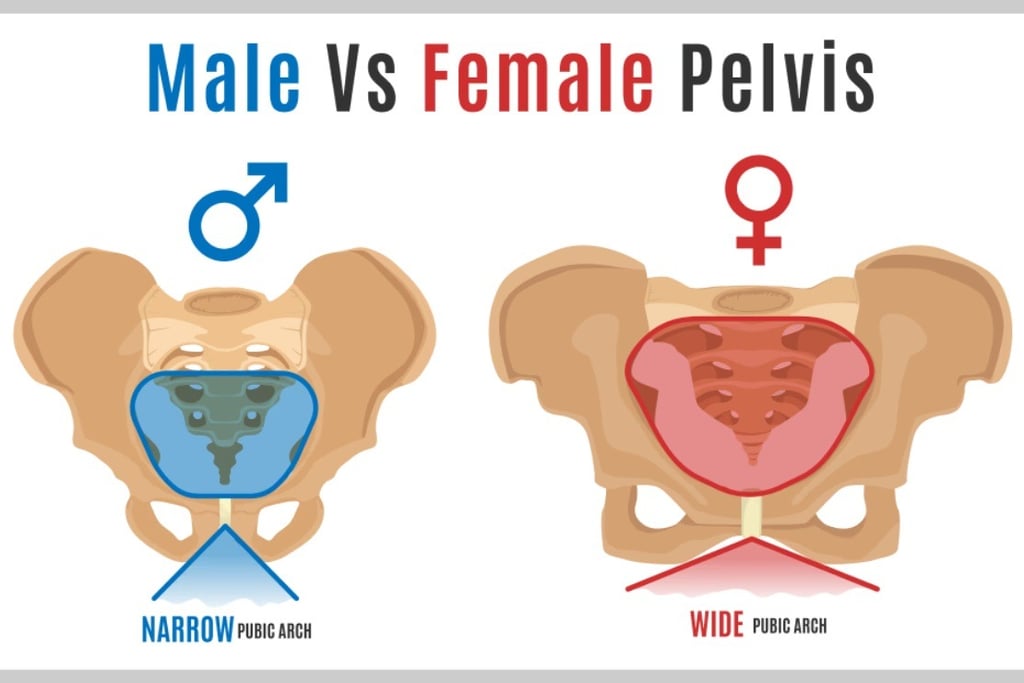
Reason: After menopause, women experience a decrease in estrogen levels, which contributes to joint cartilage breakdown. Additionally, women tend to have a higher risk of developing OA in the knees and hips due to anatomical differences (e.g., wider pelvis and increased joint stress).
Trochanteric Bursitis
Prevalence: More common in women.
Reason: Women are more likely to develop trochanteric bursitis due to their wider pelvis, which increases the angle of the femur and the risk of friction over the greater trochanter.
Hip Labral Tears
Prevalence: More common in women, especially those who engage in certain physical activities.
Reason: Women tend to have a greater risk of hip labral tears due to differences in hip anatomy (e.g., wider hips, altered joint mechanics) and increased joint laxity.
Avascular Necrosis (AVN)
Prevalence: Although more common in men overall, women may develop AVN more frequently as a complication of certain conditions like systemic lupus erythematosus (SLE) or following the use of corticosteroids, which are more often prescribed to women.
Reason: Gender-specific risk factors, such as autoimmune diseases and steroid treatments for conditions like SLE, contribute to an increased risk of AVN in women.
Postmenopausal Hip Fractures
Prevalence: Women are more likely to experience hip fractures, particularly after menopause.
Reason: After menopause, bone density decreases significantly due to lower estrogen levels, increasing the risk of osteoporosis and hip fractures in women.
These rare hip conditions can occur in multiple age groups:
Avascular Necrosis (AVN) of the Hip (Non-Traumatic): This can affect individuals across different age groups, particularly due to risk factors like steroid use, alcohol abuse, or other diseases.
Legg-Calvé-Perthes Disease (Atypical Forms): Though commonly seen in children, atypical or adult-onset forms can occur, especially in cases that were undiagnosed in childhood, leading to premature arthritis or hip joint dysfunction in later years.
Synovial Chondromatosis: Though rare, it can affect individuals at various ages, leading to the formation of cartilage nodules and causing hip joint dysfunction.
This combined list provides a comprehensive view of common and rare hip pathologies grouped by age, illustrating how different conditions manifest and affect various life stages.
Certain hip joint conditions tend to affect men and women differently due to various factors such as anatomy, hormones, lifestyle, and genetic predisposition. Here’s a breakdown of common and rare hip pathologies and how they may differ in prevalence between men and women:
Slipped Capital Femoral Epiphysis (SCFE)
Prevalence: More common in boys, especially during periods of rapid growth.
Reason: Boys tend to experience SCFE at a higher rate due to the different growth patterns and hormonal influences during puberty.
Femoroacetabular Impingement (FAI)
Prevalence: More commonly diagnosed in men.
Reason: The type of bone abnormalities that cause FAI (e.g., cam and pincer deformities) are more frequently seen in men, particularly those who are physically active or engage in sports involving repetitive movements.
Avascular Necrosis (AVN)
Prevalence: More common in men, particularly in the younger and middle-aged groups.
Reason: AVN is often associated with alcohol use, trauma, or steroid use, all of which have a higher prevalence in men.
Osteoarthritis (OA)
Prevalence: Men are more likely to develop OA earlier than women, particularly due to higher rates of joint injury or trauma.
Reason: In younger individuals, the risk factors like trauma or high-impact activities contribute to a higher incidence of OA in men. However, as men age, women catch up in prevalence.
Osteoid Osteoma
Prevalence: More common in men, especially in younger adults.
Reason: Osteoid osteoma is a benign bone tumor, and its higher prevalence in men may be related to genetic or hormonal factors.
Legg-Calvé-Perthes Disease
Prevalence: More common in boys, but can also affect girls.
Reason: Boys are more commonly diagnosed with this condition, but it can still present in girls, particularly in younger children.
Synovial Chondromatosis
Prevalence: Affects both men and women, though it may be more common in men in some studies.
Reason: The exact cause is unclear, but it can occur in both sexes.
Synovial Fluid-Related Conditions (Bursitis, Tendonitis)
Prevalence: Bursitis and tendinitis can affect both men and women, with gender differences generally being influenced by activity levels, occupation, and underlying musculoskeletal conditions.
Anatomical Differences: Women generally have a wider pelvis, which can affect the alignment and mechanics of the hip joint, increasing the risk for certain conditions like trochanteric bursitis, labral tears, and osteoarthritis.
Hormonal Differences: Estrogen levels play a significant role in joint health. Women, especially postmenopausal women, are more prone to osteoarthritis and osteoporosis due to changes in hormonal levels.
Activity and Lifestyle: Men are more likely to engage in high-impact or physically demanding activities, which increases the risk of joint injuries, particularly in conditions like OA and AVN. Conversely, women’s higher risk for hip fractures and osteoarthritis tends to emerge with age.

PhD Biomechanics MSc Biomechanics
MSc Data Science
Dr Greenhalgh leads the biomechanical assessment and orthotic design framework at PhysAnalytica. His work focuses on translating complex movement data into clear, practical outputs using pressure analysis, motion capture, 3D foot scanning and structured reporting.
His approach ensures orthotic design and movement analysis are driven by measured evidence rather than assumption, supporting clearer decision-making for patients and clinicians.

registered with the HCPC
Olivia is a Chartered Physiotherapist, registered with the HCPC, who is
passionate about helping individuals restore their mobility, confidence, and freedom from pain that impacts daily life.
She graduated in 2021 with a degree in Physiotherapy and Special Motor Skills in Romania, before relocating to the UK to pursue her professional career. Since then, she has worked in private clinics, providing care to patients of all ages with a wide range of musculoskeletal conditions, from acute or chronic pain to post-traumatic and post-operative rehabilitation.
Olivia takes an empathetic and individualised approach to treatment, tailoring each plan to meet the specific needs and goals of her patients. She specialises in manual therapy, including deep tissue massage, therapeutic stretching, and joint mobilisation, with a strong focus on pain relief and enhancing physical function.
Believing that true health lies in the balance between body and mind, Olivia is committed to supporting each patient through their recovery journey with compassion, professionalism, and confidence.
Outside of the clinic, Olivia draws energy and balance from the things she’s most passionate about spending quality time with her family, maintaining an active lifestyle through daily gym sessions, and unwinding with a good book. These are her constant sources of inspiration and motivation.

MSc, BPT, MCSP, MIAP
Physiotherapist, Sports Scientist, Lecturer.
MSc Sports & Exercise Science (Biomechanics)
Bachelor in Physiotherapy
Having qualified as a Physiotherapist in 2010, Vasant has over 15 years of practice experience in clinical and on-field sports environment. He has worked with professional athletes, recreational athletes and general population from all over the world with complex cases and conditions. He graduated from Middlesex University London with a MSc degree in Sports and Exercise Science with majors in Applied Human Biomechanics.
He currently works for the NHS, assessing and treating musculoskeletal, orthopaedic cases in Primary and Secondary care as an Advanced Physiotherapy Practitioner (APP). He has acquired specialization in treating pre and post operative knee conditions: ACL, PCL, Meniscus, MCL, LCL, knee replacement rehabilitation, bursitis and tendinopathy. His current research is focused on investigating Hamstring: Quadriceps activation ratio using surface EMG and Isokinetic Dynamometer in professional athletes and identification of knee injury risk
Vasant specializes in diagnosis and developing bespoke plans for prehab and rehab for shoulder conditions in athletic population and geriatric population. Since shoulder is not just a joint but a complex, it needs a complex expertise for functional diagnosis and treatment.
As an educationalist, he teaches Applied Human Biomechanics at Institute of Sports, University of Hertfordshire. His teaching focus is on kinetics and kinematics of lower body (hip, knee & ankle) in dynamic explosive movements.
Studies Undertaken:
1. Investigating Hamstring:
Quadriceps activation ratio using surface EMG and Isokinetic Dynamometer in professional athletes and identification of knee injury risk.
2. Identification of tibial stress in running with barefoot, minimalistic footwear, and conventional shoes
In recreational athletes using force plate, motion capture system and accelerometer.
3. A compressive shoulder assessment strategies.
4. Tracking muscle activity of gluteal region and their impact on running mechanics: Kinematic study.
5. Chronic ankle instability in agility sports.

MSc, BSc, MCSP
Sports and MSK Physiotherapist
MSc Physiotherapy
BSc Sports Therapy & Rehab
With over six years of experience in sports rehabilitation and musculoskeletal care, Simon is a dedicated, fully qualified physiotherapist based in London. He holds a Master’s degree in Physiotherapy from London South Bank University and a Bachelor’s degree in Sports Therapy and Rehabilitation from the University of Bedfordshire.
Simon’s clinical experience spans elite sport and NHS hospital settings, giving him a strong foundation in managing a wide range of conditions. During his MSc, he worked with a London-based rugby club, providing injury rehabilitation, hands-on treatment, strapping and taping, and tailored exercise programmes to help athletes return to peak performance.
He also gained significant hospital experience across Neurology, Cardiorespiratory, and Surgical wards, including work in paediatric care. This experience enables him to engage confidently with younger patients and support their physical development.
Now being integral part of PHYSIOGENICS in St John’s Wood, Simon specialises in musculoskeletal physiotherapy and sports rehab. He provides targeted rehabilitation plans for knee injuries, including ACL recovery, patellofemoral pain, and post-operative care, helping patients regain strength, stability, and confidence in movement.
Simon is known for his calm, supportive manner and practical, results-driven approach, working with athletes, active individuals, and those recovering from injury to help them move better and feel stronger.
Research
The Effectiveness of Hand-Arm Bimanual Intensive Training on Upper Limb Motor Control

MSc, BPT, MCSP, MIAP
Clinical Director Harrow on the Hill
MSK Physiotherapist, Women’s Health Physiotherapist, Frailty Physiotherapy
Postgraduate Diploma in Neuromusculoskeletal Healthcare
Bachelor in Physiotherapy
Roopa is a highly experienced physiotherapist with over 20 years of clinical practice across the NHS, private healthcare, community rapid response, and intermediate care services. She specialises in home-based rehabilitation, supporting patients to regain independence, confidence, and functional ability within their own living environment.
Her extensive clinical experience spans a wide range of conditions, including falls prevention and rehabilitation, orthopaedic recovery, neurological disorders, palliative care, dementia care, and musculoskeletal conditions. As a trained Dementia Specialist, Roopa has in-depth knowledge of dementia and uses proven engagement techniques to deliver compassionate, effective, and person-centred care.
Roopa is highly skilled in working collaboratively with carers, care home staff, and family members, providing education, training, and practical guidance to support long-term wellbeing. She also has strong expertise in equipment assessment, prescription, and advice, ensuring safety and independence at home.
Having worked extensively in both hospital and community settings, Roopa understands the vital role rehabilitation plays in restoring mobility, dignity, and quality of life. Her holistic approach, combined with excellent communication skills and genuine compassion, allows her to build strong rapport with patients and their families.
Key Skills & Expertise
Comprehensive physiotherapy assessment and treatment
Home-based and community rehabilitation
Dementia care and specialist patient engagement techniques
Training and education for carers, families, and care staff
Equipment assessment, prescription, and guidance
Therapeutic massage for pain relief and muscle spasm
Evidence-based treatment planning with SMART goal setting
Approach
Roopa is committed to a holistic, patient-centred approach, combining clinical expertise with empathy and understanding. Every treatment plan is individually tailored, focusing on realistic goals, meaningful rehabilitation, and measurable outcomes—ultimately enhancing independence, comfort, and overall quality of life.